 PalperDrone
Freestyle
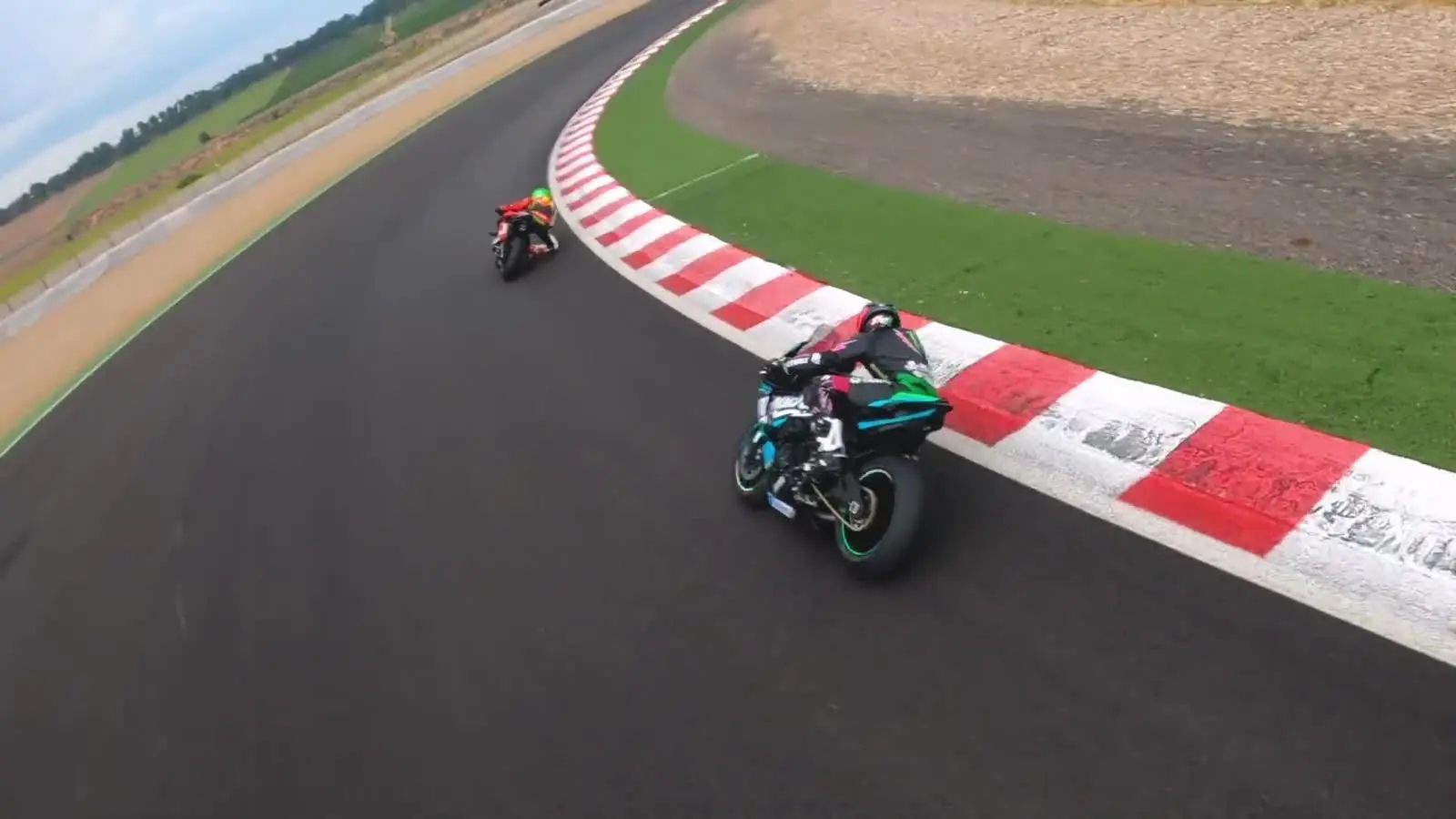
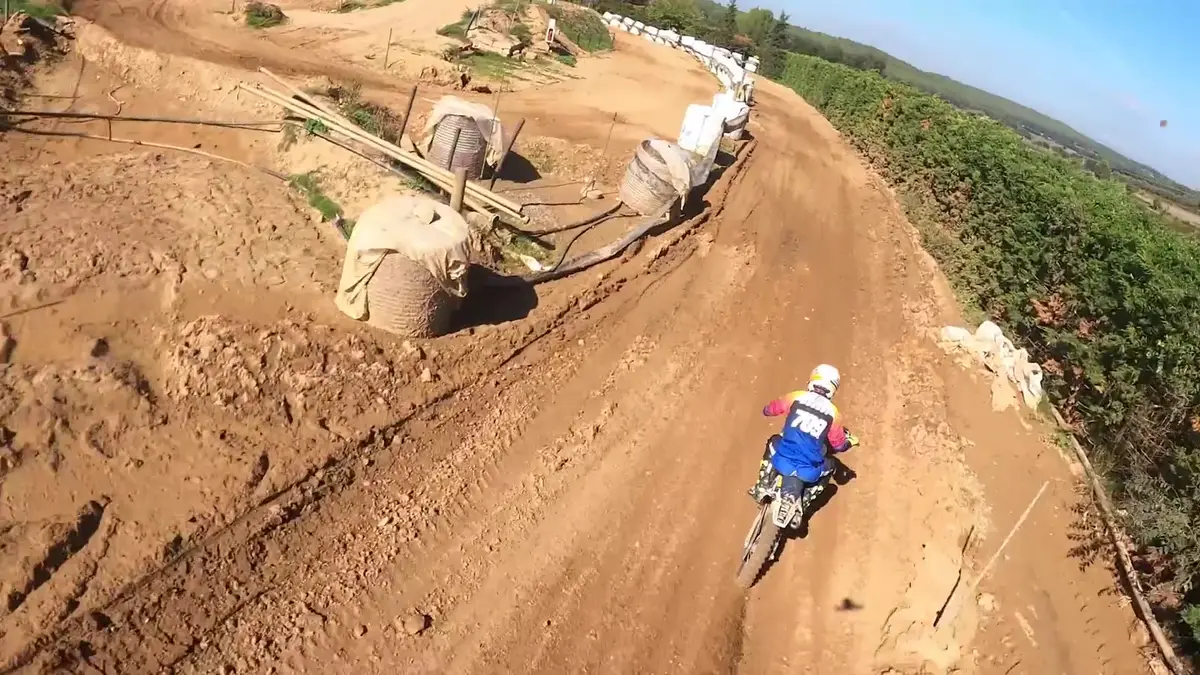
Acrobatic and very manoeuvrable. It's the most common choice for filming action: dives, turns and close tracking of athletes and vehicles.
- Sport and action
- Motorsport
- Creative video
How an FPV drone works, the different types and when it's the best option for filming. Explained by a pilot who flies them every week.
FPV stands for First Person View. An FPV drone is flown with goggles that show live what its camera sees, as if you were on board. They are small, light and very agile, built to fly fast and stay right in the action. I use them to film races, motorsport, sport and indoor spaces.
FPV is a way of flying, not a single model. These are the three most common types:
Acrobatic and very manoeuvrable. It's the most common choice for filming action: dives, turns and close tracking of athletes and vehicles.
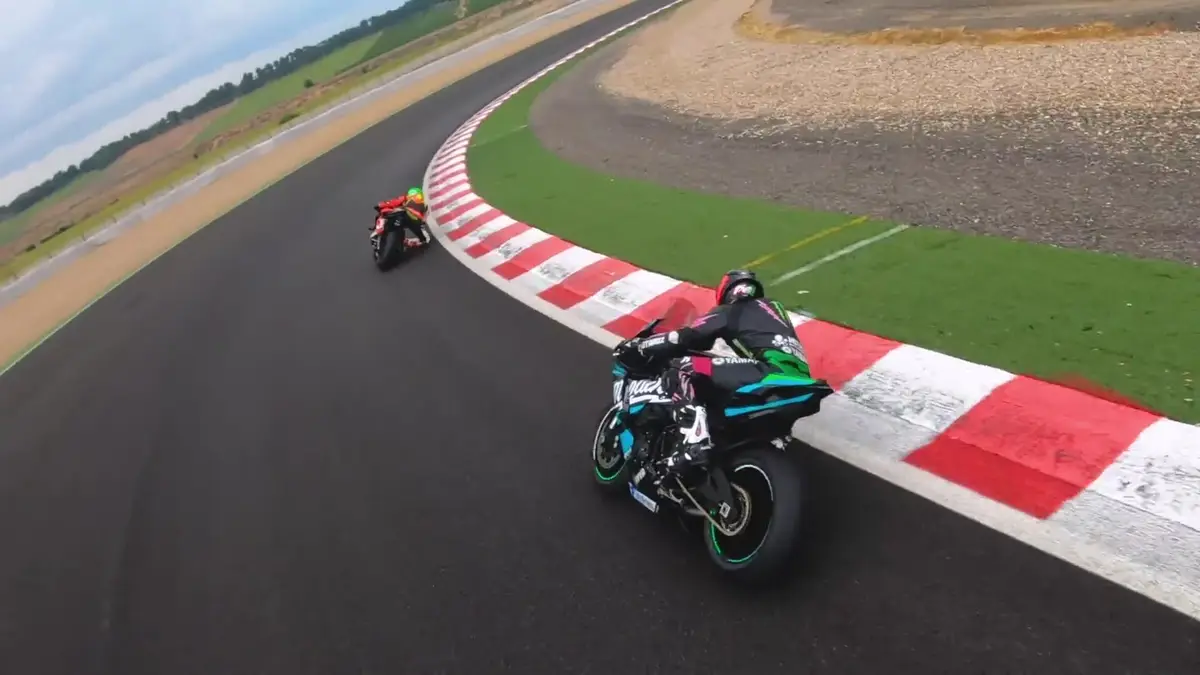
Built for speed on drone racing circuits. What matters is going fast, more than getting a carefully composed shot.
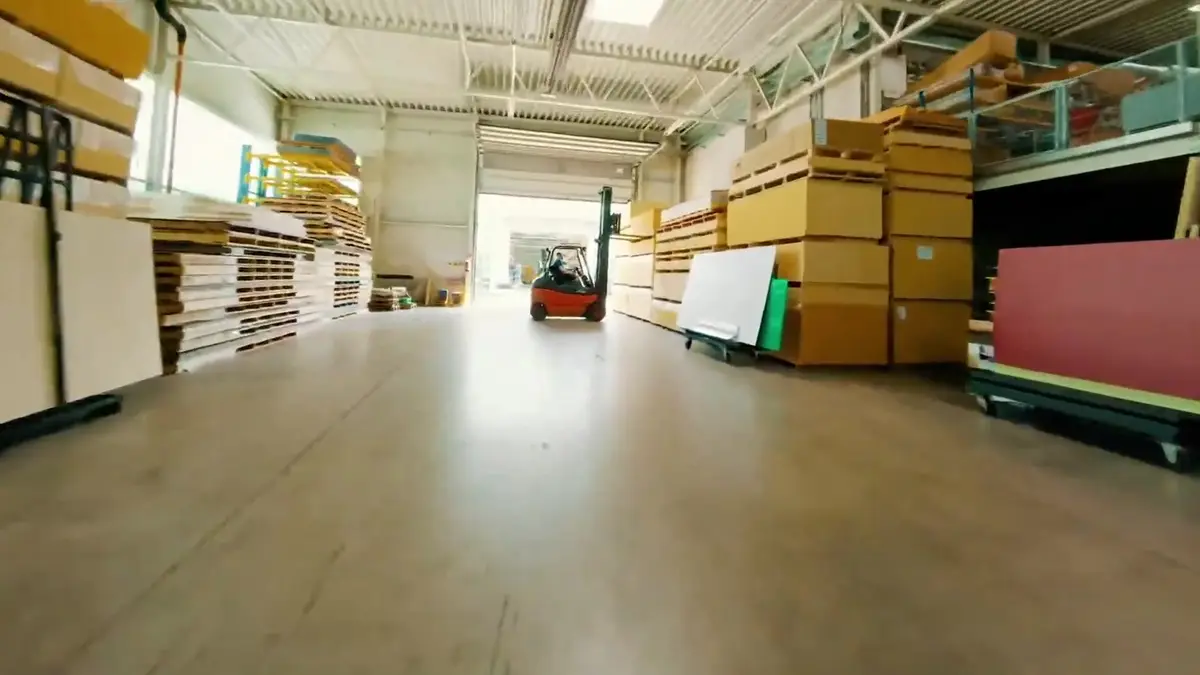
With protective ducts around the propellers and a steadier camera. It's good for flying close to people and inside enclosed spaces.
Many projects combine both. Have a look at the guide to stabilised drones and the one on indoor drones.
I film racing, motorsport, sport and indoor spaces all over Catalonia.
See the FPV video serviceLeave me your phone number or your email (one is enough) and I'll get back to you as soon as I can.
It stands for First Person View. The pilot wears goggles and sees, in real time, what the drone's camera sees.
An FPV drone is smaller, faster and more agile, and it's flown manually with goggles. A standard drone is steadier and smoother, with stabilisation and GPS. Each one suits different shots.
Besides the drone, you need a controller, FPV goggles and batteries. And plenty of practice: most people start on a simulator.
Yes, it takes a lot of practice. You fly manually and at high speed, so people usually learn on a simulator first.
No. Drone flights are regulated, and flying with goggles usually comes with extra requirements. On every job I check the regulations and flight zones before taking off.
Usually just a few minutes per battery, so on a job I use several batteries and plan the flights.
Yes. I plan it with the organiser: where to fly, which areas are safe and when. The safety of pilots and spectators comes first.
Yes, I work all over Catalonia, based in Girona. If it's outside Catalonia, we can talk about it.